Why do good ideas suffer a quiet death in meetings? While weaker ones somehow get approved? Why does a room full of smart people still default to “we’ll think about it”… Even when the numbers make sense? And what actually separates the proposals that get greenlit from the ones that disappear?
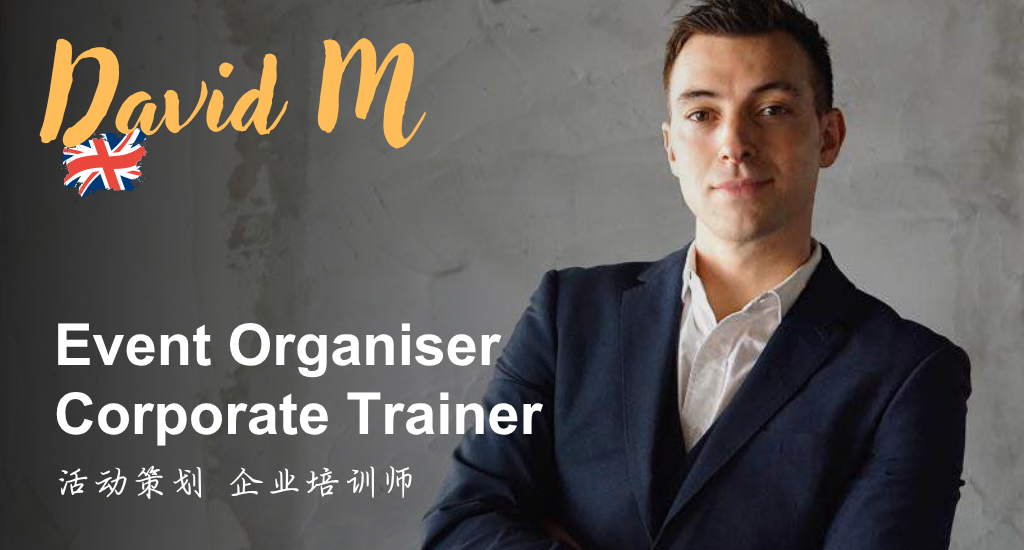
In this workshop, David, a professional communication coach for high-level executives, breaks down how real decisions get made in high-stakes rooms. Drawing on cases like Howard Schultz, you’ll learn why framing beats logic, and how the right narrative can turn resistance into momentum. You’ll master the RICE Framework to pressure-test your ideas before you even walk in, build a Stakeholder Map so precise the meeting itself becomes a formality, and craft a razor-sharp one-pager that gets decision-makers leaning toward yes from the start.
This is where pitching stops being a gamble and becomes a system. You’ll learn how to reframe budget conversations as risk conversations, align your idea with what stakeholders actually care about, and present with the kind of clarity and authority that moves people to act. Because at the highest level, it’s not the best idea that wins, it’s the one that’s impossible to say no to.
为什么很多不错的想法,在会议里悄无声息地“死掉”?而一些没那么好的,却反而通过了?为什么一群很聪明的人坐在一起,最后还是只说一句“再考虑一下”?到底什么样的提案能被通过,什么样的会被忽略?
在这场工作坊中,David 会拆解高压决策场景里,想法是怎么真正被“接受”的。结合像 Howard Schultz 这样的案例,你会看到:很多时候,比逻辑更重要的是“怎么讲”。一个好的叙事,可以把阻力变成推动力。你会学到 RICE 框架,用来在进会议之前就把想法打磨好;也会做 Stakeholder Map(利益相关者地图),让会议本身变成一个“走流程”;还会学怎么写一页纸,把核心讲清楚,让决策者从一开始就更倾向点头。
这不再是“看运气”的表达,而是一套可以复用的方法。你会学会把预算问题变成“风险问题”,让你的想法对齐大家真正关心的点,并用更清晰、有力量的方式表达出来。因为在更高层级,比的不是哪个想法更好,而是哪个想法,让人更难拒绝。