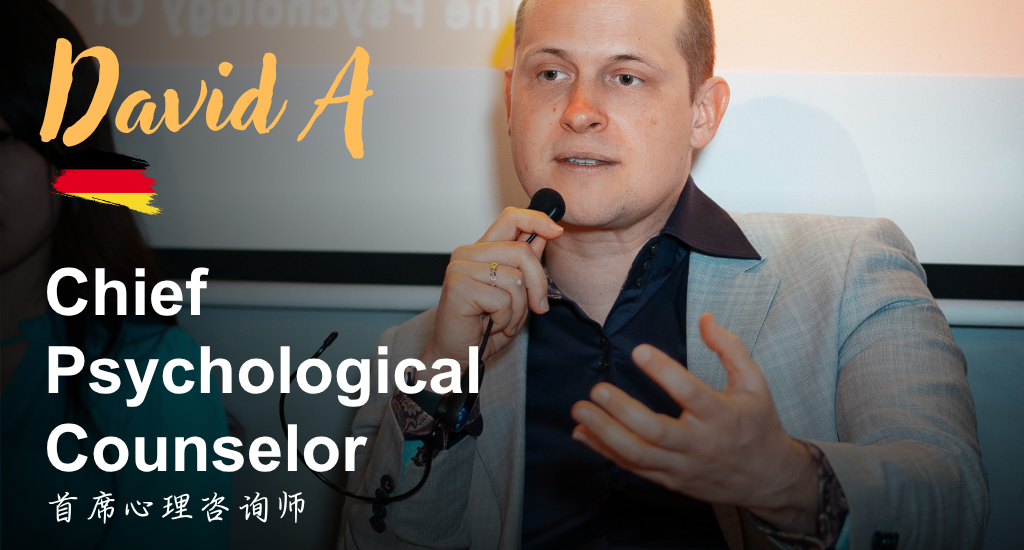
What does emotional abuse actually look like? And how often does it go unnoticed, even by the people experiencing it? When does care become control, help become criticism, or silence become punishment? In this discussion, David Ammerschlaeger, chief psychological counsellor, will guide us through a clear and grounded understanding of emotional abuse; what it is, what it isn’t, and why it can be so difficult to recognise in real time. Drawing from years of clinical experience working with both victims and perpetrators, he’ll unpack the subtle patterns, language, and dynamics that often hide in plain sight across families, workplaces, romantic, and social relationships.
We’ll explore how emotional abuse is carried out, how it shapes a person’s sense of self, and why many people only recognise it long after the damage has been done. How does it differ between men and women, both in how it’s experienced and expressed? Why do some people stay, justify, or even repeat these patterns? This will be a thoughtful, serious, and non-judgmental space, whether you’re here to understand your own experiences, support someone else, or simply become more aware of the psychological dynamics that shape so many relationships.
情感虐待到底是什么样的?为什么很多时候,它甚至连经历的人自己都没有意识到?从什么时候开始,关心变成了控制,帮助变成了指责,沉默变成了一种惩罚?在这场讨论中,首席心理咨询师 David Ammerschlaeger 会带大家更清晰地理解情感虐待:它的定义是什么、不是什么,以及为什么在真实情境中往往很难第一时间识别出来。结合多年与当事人和施加方的实际工作经验,他会拆解那些在家庭、职场、亲密关系和社交关系中经常出现、却很容易被忽略的细微模式、语言方式和互动关系。
大家会一起看看情感虐待是如何发生的,它又是如何一点点影响一个人的自我认知,以及为什么很多人往往是在事后才意识到问题的存在。它在不同性别之间的表现和体验有没有差异?为什么有些人会选择留下、为这种关系找理由,甚至在之后重复类似的模式?这会是一场相对严肃但也很克制、不会带评判的讨论。不管你是想理解自己的经历、支持身边的人,还是单纯想更清楚地认识这些在很多关系中都会出现的心理机制,这里都会是一个可以慢慢思考和交流的空间。