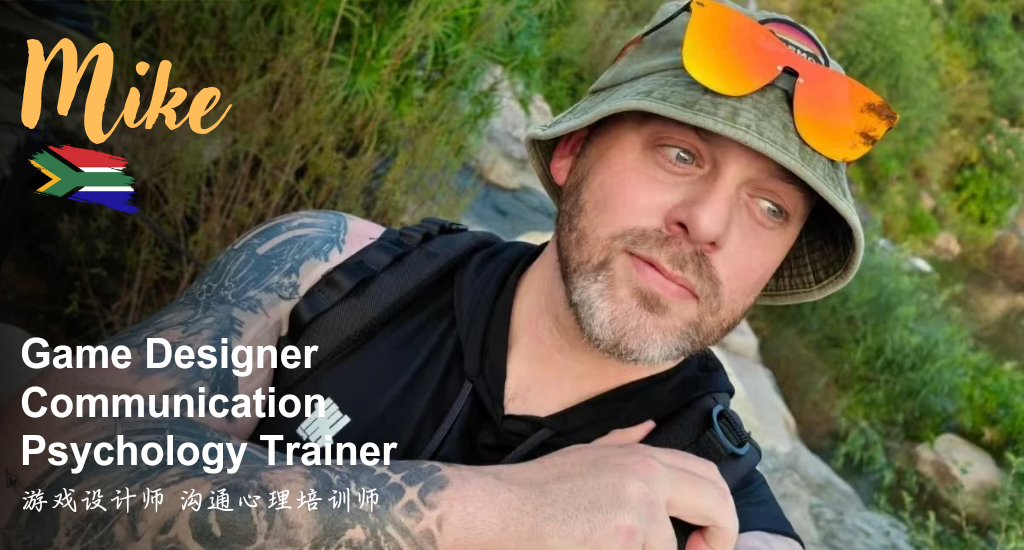
Why do some people love horror movies, roller coasters, and dangerous stories, while others avoid them at all costs? Why can fear feel terrifying in real life, yet strangely enjoyable when it’s controlled? And what does that say about how our brains work, how we manage emotions, and what we secretly need? In this discussion, Mike will unpack the psychology and biology behind fear, adrenaline, and pleasure, revealing why the human mind is wired not only to avoid danger, but sometimes to seek it.
Drawing on neuroscience, psychology, and real-world examples, from horror films and extreme sports to everyday stress and thrill, this discussion will explore how adrenaline, dopamine, and imagination shape our experience of fear. Together, we’ll question the difference between real threat and perceived threat, why “safe fear” can feel addictive, and what our relationship with fear reveals about identity, control, and modern life. Thought-provoking, accessible, and unexpectedly fun, this club is for anyone curious about the hidden logic behind emotions we rarely admit we enjoy.
为什么有人痴迷恐怖片、过山车和惊险故事,有人却避之不及?现实里的恐惧让人胆战心惊,可在可控的场景下,这份恐惧却会带来莫名的愉悦,这是为什么?这背后又藏着我们大脑的运作逻辑、情绪的调节方式,还有那些不为人知的内心需求?这场分享中,Mike 会拆解恐惧、肾上腺素与愉悦感背后的心理学和生物学原理,带大家发现人类的大脑,从来都不只是会逃避危险,有时也会主动追寻。
分享会结合神经科学、心理学知识,还有大量现实案例 —— 从恐怖片、极限运动,到日常的压力与小刺激,一起探究肾上腺素、多巴胺和想象力,是如何塑造我们对恐惧的感知的。我们会一起探讨真实威胁和主观感知的威胁有何不同,为何这种 “安全的恐惧” 会让人上头,而我们与恐惧的相处模式,又能折射出关于自我认同、掌控感和现代生活的哪些真相。这场分享有深度、好理解,还藏着意想不到的趣味,适合所有对这份 “不愿承认的愉悦情绪” 背后的隐藏逻辑充满好奇的人。