What happens when 3.2 million cars are running on a system that might not see what’s right in front of them? Can a camera-only “Full Self-Driving” system really handle fog, glare, and dust, or are we watching the limits of pure vision play out in real time? And when U.S. regulators step in, is it about safety… Or the beginning of a bigger shift in how autonomous driving is built?
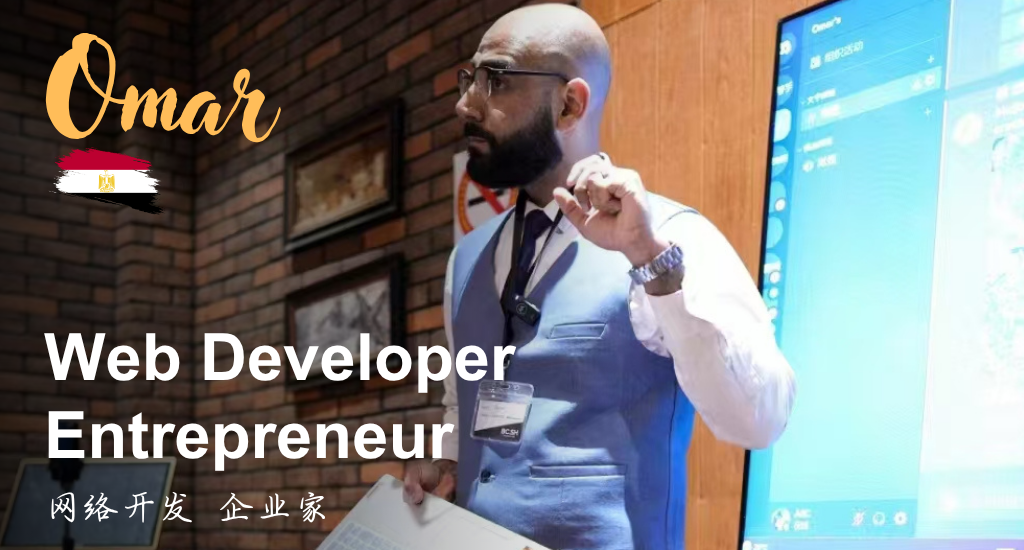
In this guided discussion, Omar, Popcorn Club’s tech business expert, will break down the controversy around Tesla’s Full Self-Driving (FSD) strategy and the high-stakes decisions behind it. With over 3 million Tesla vehicles equipped with Autopilot/FSD features globally and ongoing scrutiny from the National Highway Traffic Safety Administration, the debate is no longer theoretical. You’ll explore whether Tesla knowingly accepted key limitations in vision-based systems, why radar and LiDAR were removed under Elon Musk’s direction, and what happens if regulators force a reversal. More importantly, you’ll step back to ask the bigger question: if the current approach to autonomy is flawed, what does that mean for the future of AI-driven products, and the stories companies tell to justify them?
当320万辆汽车运行在一个“可能看不清眼前事物”的系统上时,会发生什么?一个只依赖摄像头的“完全自动驾驶”系统,真的能应对雾气、强光和灰尘等复杂环境吗?还是我们正在实时看到“纯视觉方案”的局限?当美国监管机构开始介入,这只是出于安全考虑,还是意味着自动驾驶技术路线正在发生更大的转变?
在这场引导式讨论中,Popcorn Club 的科技商业专家 Omar 会带大家拆解围绕特斯拉 Full Self-Driving(FSD)的争议,以及背后那些高风险的决策。随着全球已有超过300万辆特斯拉车辆搭载 Autopilot / FSD 功能,并且美国国家公路交通安全管理局(NHTSA)持续关注,这个话题已经不再是理论讨论。
我们会一起探讨:特斯拉是否在已知局限的情况下,仍然坚持视觉方案?为什么在马斯克的推动下,雷达和激光雷达(LiDAR)被移除?如果未来监管要求调整技术路线,会发生什么?
更重要的是,我们会退一步看一个更大的问题:如果当前的自动驾驶路径本身存在问题,这对所有基于 AI 的产品意味着什么?以及企业在讲述这些技术时所构建的“故事”,到底有多少是现实,有多少是叙事?这会是一场既具体又有延展性的讨论,连接技术、商业与判断。