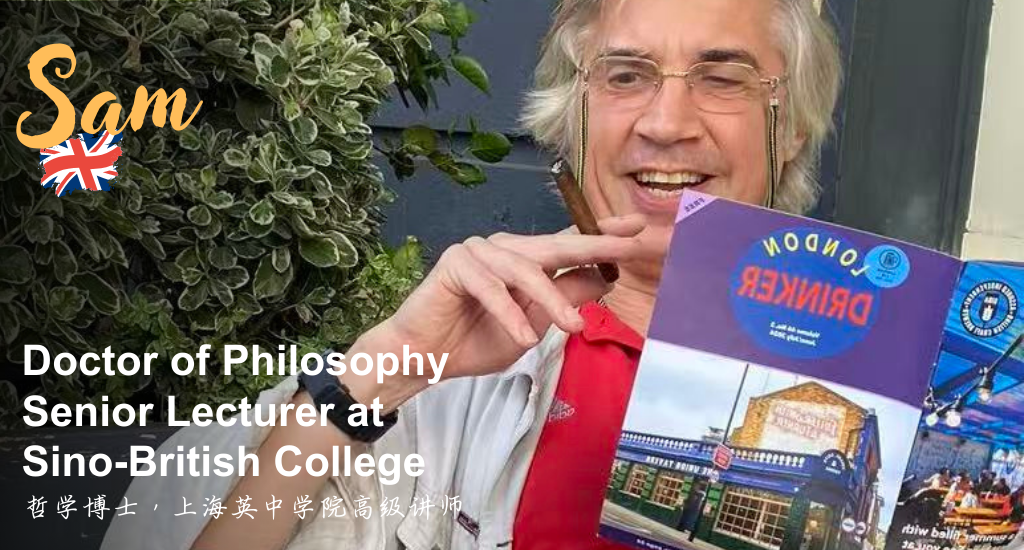
What does globalisation mean today? Is it still growing, or are we witnessing its retreat? And more importantly, is it ultimately a force for good or harm? Let's have a thoughtful discussion led by Dr Sam (PhD in philosophy), and tackle whether globalisation is increasing or declining, and evaluate its consequences from the perspectives of China, the West, and the world as a whole. Have economic ties loosened in recent years?
According to some metrics, global trade openness, the ratio of exports and imports to world GDP, peaked around 60.1% in 2008 and has since declined to approximately 57.2% in 2021, suggesting “slowbalisation” may be underway.
But globalisation isn’t just about economics. Let's explore its political and philosophical dimensions. Let's examine how global integration shapes power dynamics, national identity, and our moral obligations to one another. Globalisation is credited with reducing global inequality: over the past decades, economic liberalisation has lifted millions out of poverty and improved life expectancy, education, and opportunity. Yet its critics argue that it displaces workers, concentrates wealth, and erodes cultural autonomy. So which is it?
Sam will guide us in unpacking the complex trade-offs. Let's try to understand whether globalisation is a hopeful path toward mutual growth or a perilous dilution of local sovereignty. Let's have a smart, compassionate, and deeply relevant conversation.
今天的全球化意味着什么?它还在继续扩张吗,还是我们正看到它的收缩?更重要的是,它最终是利多还是弊多?让我们跟随哲学博士Sam,一起思考全球化到底是在增强还是减弱,并从中国、欧美及全球的视角评估其影响。近年来经济联系是否有所松动?
根据一些数据指标,全球贸易开放度(出口和进口占世界GDP的比例)在2008年达到约60.1%的峰值,到了2021年下降至约57.2%,这显示“慢全球化”可能正在发生。
但全球化不仅仅是经济问题。我们还会探索它的政治和哲学维度,看看全球一体化如何影响权力格局、国家认同以及我们对彼此的道德义务。全球化被认为降低了全球不平等:过去几十年,经济自由化让数百万人脱贫,提升了寿命、教育和机会。但批评者指出,它可能带来就业流失、财富集中,甚至削弱文化自主。到底哪一边对?
Sam会带领大家拆解这些复杂的利弊权衡。我们一起看看全球化是互惠成长的希望,还是对本土主权的潜在冲击。期待一次既智慧又贴近现实的深度对话。