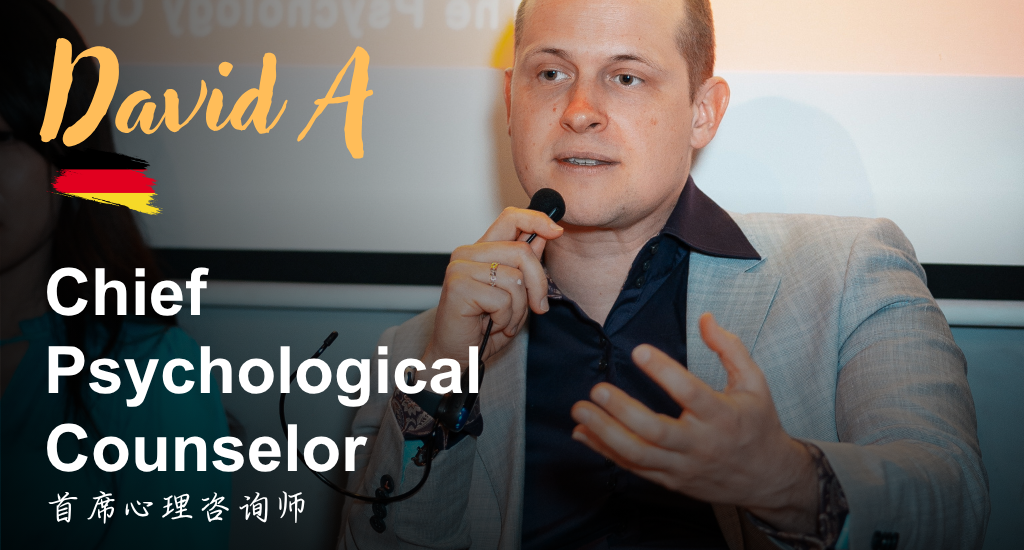
What do we actually mean when we call something beautiful? And why does beauty matter so much to us, sometimes more than we’re willing to admit? In this discussion, David, a chief psychological counsellor, invites you to explore the psychology of aesthetics: how humans perceive beauty, why we’re drawn to it, and how it quietly shapes our moods, judgments, and sense of meaning. We’ll look at beauty in many forms: architecture, art, fashion, bodies, faces, cities, and ask what’s really happening in the mind when something “feels right” to us.
Using psychology as the lens, the conversation will move across cultures, places, and time periods. How might someone raised among museums and centuries-old streets in places like Rome or Paris relate to beauty differently from someone shaped by the speed and modernity of cities like New York or Tokyo? How do culture, memory, and identity influence what we admire, or reject? Let's have a thoughtful, inclusive discussion designed for curiosity: a space to understand beauty not as a fixed standard, but as a deeply human experience that reveals how we see the world, and ourselves.
当我们说某样东西“很美”时,我们到底在说什么?为什么美对我们如此重要,甚至重要到我们有时都不太愿意承认?在这场讨论中,首席心理咨询师 David 将带大家一起走进审美心理学:人类如何感知美,为什么会被它吸引,以及它如何悄悄影响我们的情绪、判断和意义感。我们会从不同形式的美出发——建筑、艺术、时尚、身体、面孔、城市——去看看,当某样东西让我们“感觉对了”的时候,大脑里到底发生了什么。
我们会以心理学为视角,把讨论放在不同文化、城市与时代背景下展开。一个在罗马或巴黎这样充满博物馆和古老街道环境中长大的人,会如何理解美?和一个在纽约或东京这样节奏飞快、现代感强烈的城市中成长的人相比,会有什么不同?文化、记忆和身份认同,又是如何影响我们欣赏什么、排斥什么的?这是一场开放、包容、以好奇为出发点的讨论,把“美”当成一种深刻的人类经验,而不是固定标准,也借此看看我们如何看待世界,以及如何看待自己。