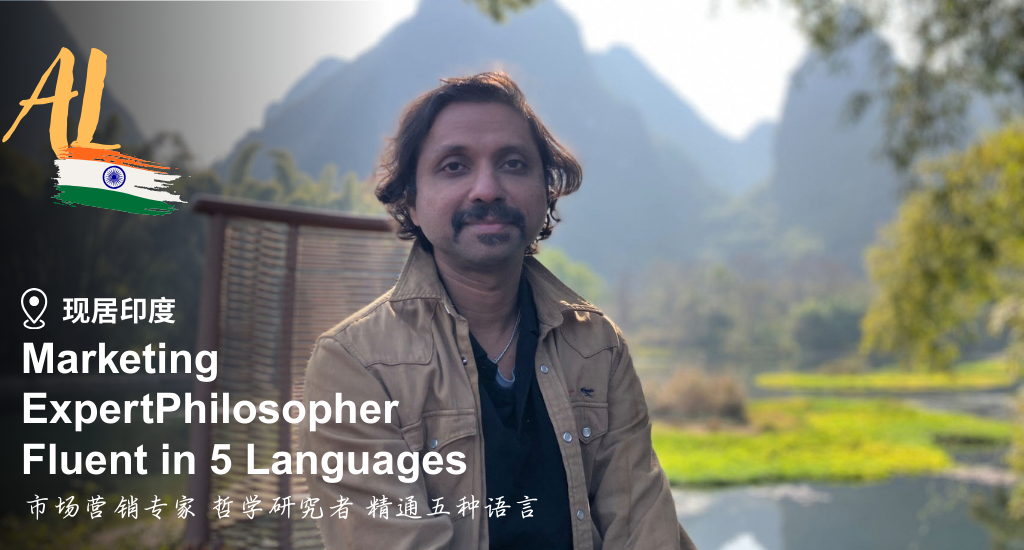
What can a short story written centuries ago still teach us about the way we live today? Why do simple parables about kings, monks, fools, and sages continue to travel across cultures and generations, quietly shaping how people think about life, purpose, and human nature? In this guided discussion hosted by Al, who brings the mind of a seasoned marketer and the heart of an old philosopher, we’ll explore timeless stories from ancient traditions in India, China, and Japan, and ask what wisdom they still hold for the modern world.
Each session centres around a few powerful parables: small stories with surprisingly large meaning. Together we’ll reflect on themes like stress, purpose, relationships, and clarity, using these ancient insights as a lens for understanding our own lives today. There are no lectures; only conversation, curiosity, and the kind of cultural exploration that turns simple stories into deep discussions. Across centuries and civilisations, these parables have endured for a reason. The question is: what might they reveal to us now?
几百年前写下的一段小故事,在今天还能给我们的生活带来什么启发?那些关于国王、僧人、愚者和智者的简单寓言,为什么能跨越不同文化和时代,一直被人讲述,也慢慢影响着人们对生活、目标和人性的理解?在这场由 Al 主持的讨论里——他既有市场人的思维,也有点像一位喜欢思考的老派哲学爱好者——我们会一起看看来自古代印度、中国和日本的一些经典寓言,聊聊这些故事在今天还能带来哪些思考。
每一场讨论都会围绕几则寓言展开。这些故事都很短,但往往藏着不小的意味。大家会一起聊聊压力、人生方向、关系以及如何看清问题这些话题,把古老故事当作一个视角,重新理解我们当下的生活。这里没有讲座,也不会有人单向输出,更多的是聊天、提问和不同文化之间的交流。当一些看似简单的故事被放到一起讨论时,往往会慢慢变成一场挺有深度的对话。
这些寓言能在不同文明之间流传这么久,多少说明它们触碰到了一些共通的人类经验。问题是:当我们今天再读这些故事时,它们会给我们什么新的启发?